
Brace For Broken Finger
Understanding Finger Injuries
Finger injuries are common among seniors, often resulting from falls or everyday activities. These injuries include fractures, sprains, and dislocations. Understanding how to manage these injuries is essential for a quick recovery.
A broken finger can manifest in various ways:
- Pain and swelling: The most immediate signs.
- Deformity: The finger may look misshapen or out of place.
- Inability to move: Difficulty bending or straightening the finger.
If you suspect a fracture, it’s crucial to seek medical attention promptly. Early diagnosis and treatment can prevent complications and ensure proper healing.
First Steps After an Injury
If you or a loved one experiences a broken finger, follow these steps:
- Keep Calm: Staying calm helps in assessing the situation better.
- Ice the Injury: Apply ice wrapped in a cloth to reduce swelling. Avoid placing ice directly on the skin. A bag of frozen peas works well.
- Immobilize the Finger: Use a splint to keep the finger stable. A simple homemade splint can be made with a popsicle stick or pen secured with tape.
- Elevate the Hand: Keeping the hand elevated can help minimize swelling.
- Seek Medical Attention: Visit a healthcare provider for an accurate diagnosis and treatment plan.
The Importance of Splinting
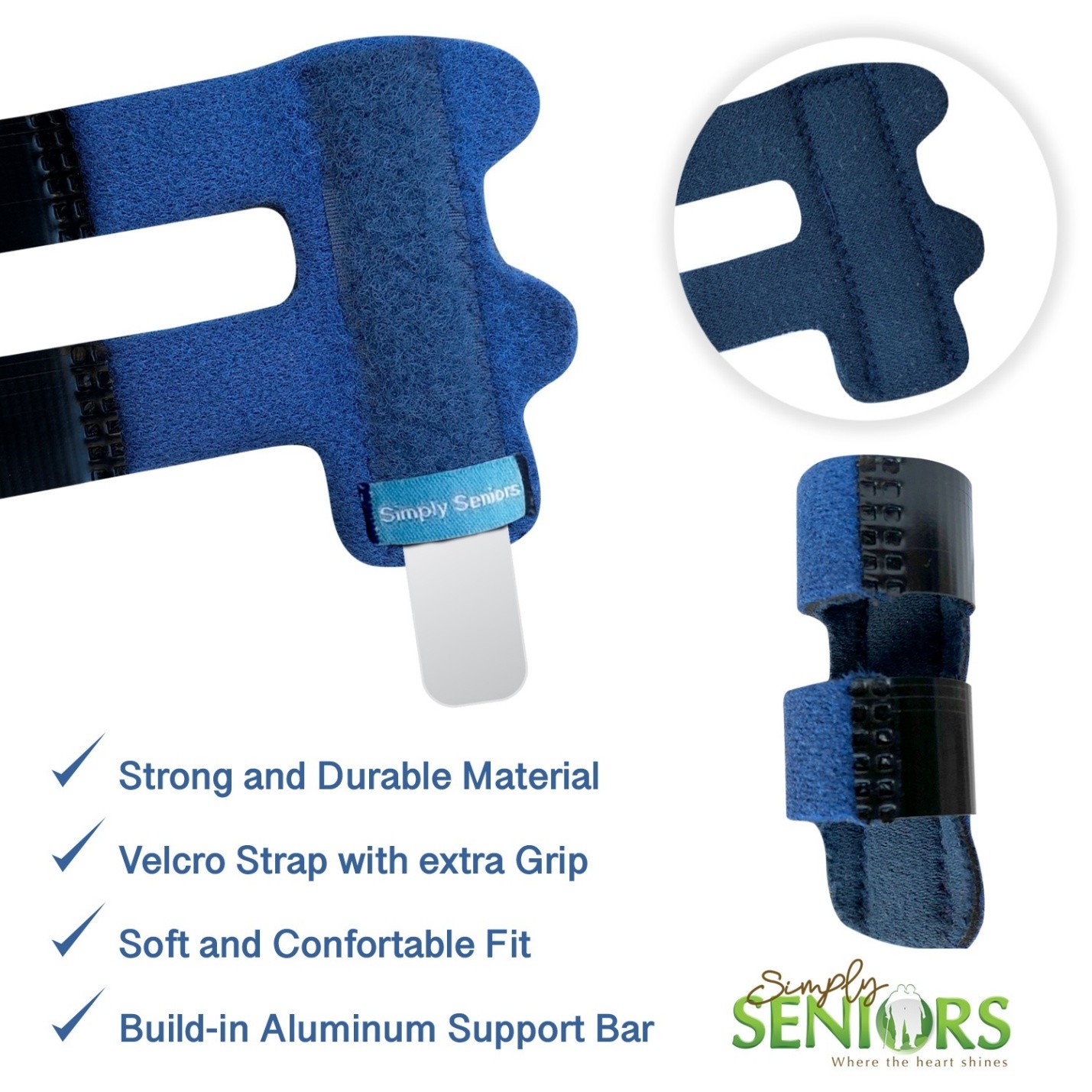
Splinting is vital for treating finger injuries. It immobilizes the affected area, allowing bones and tissues to heal correctly. There are different types of splints available:
- Buddy Tape Splint: Taping the injured finger to an adjacent finger for support.
- Rigid Splints: These provide more stability and are often used for fractures.
- Soft Splints: Useful for minor sprains or strains.
Choosing the Right Splint
When selecting a splint, consider these factors:
- Type of Injury: Different injuries require different types of splints.
- Comfort: Ensure that the splint fits well without causing additional pain or discomfort.
- Material: Look for breathable materials that allow for some airflow while still providing support.
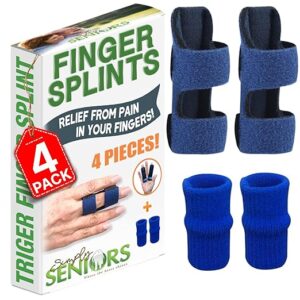
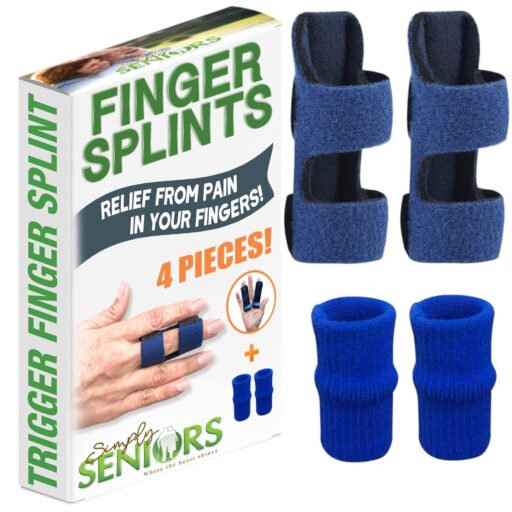
At Simply Seniors we offer a variety of finger splints or brace for broken fingers designed specifically for seniors’ needs. Our products are easy to use, ensuring that you can maintain your daily activities while healing.

Aftercare Tips
Once the initial treatment is complete, proper aftercare is essential for recovery:
- Follow Medical Advice: Adhere strictly to your healthcare provider’s instructions regarding splint use and follow-up appointments.
- Keep it Dry: Moisture can lead to skin irritation or infection. Protect your splint from water exposure during bathing or washing hands.
- Monitor Pain Levels: If pain persists despite medication, consult your doctor as it may indicate complications.
- Gradual Movement: Once cleared by your physician, start gentle exercises to regain mobility in your finger.
Preventing Future Injuries
Preventing future injuries is crucial for maintaining independence as we age. Here are some tips:
- Home Safety: Remove tripping hazards at home, such as loose rugs or cluttered walkways.
- Wear Supportive Footwear: Shoes with good grip can help prevent slips and falls.
- Stay Active: Regular exercise improves balance and strength, reducing the risk of falls.
Frequently Asked Questions
1. What are the symptoms of a broken finger?
Common symptoms include pain, swelling, tenderness, bruising, difficulty moving the finger, and possible deformity.
2. When should I see a doctor?
Seek immediate medical attention if you experience severe pain, noticeable deformity, or an inability to move your finger. Open fractures (where the bone breaks through the skin) also require immediate care.
3. How is a broken finger diagnosed?
A doctor will typically perform a physical examination and order an X-ray to determine the nature and severity of the fracture.
4. What is the treatment for a broken finger?
Treatment options include splinting, buddy taping, or, in severe cases, surgery to realign the bones. The specific treatment depends on the type and stability of the fracture.
5. How long does it take for a broken finger to heal?
Healing typically takes 3 to 6 weeks, but full recovery, including regaining complete functionality, may take several months.
6. What can I do to speed up recovery?
Follow your doctor’s instructions, keep the finger immobilized as directed, attend physical therapy sessions, maintain good nutrition, and avoid activities that could strain the injury.
7. Are there long-term effects from a fractured finger?
Most finger fractures heal without long-term effects, but some injuries can cause stiffness, reduced range of motion, or arthritis in the affected joint. Proper treatment and rehabilitation can minimize these risks.
The Right Brace for a Stronger Recovery
A broken finger doesn’t have to mean the end of independence or enjoyment in life. With proper care, including effective splinting and rehabilitation, seniors can recover quickly and return to their daily routines.
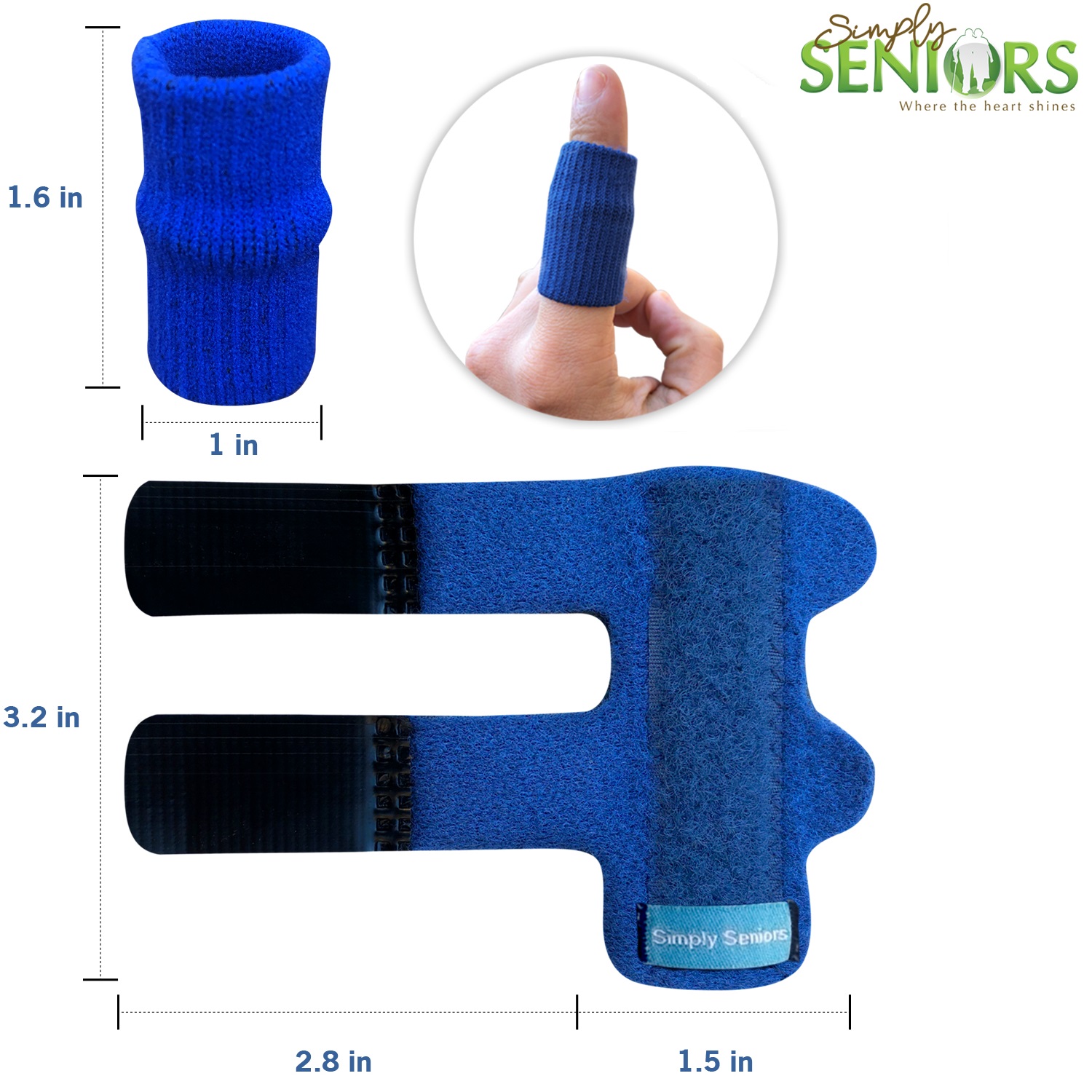
At Simply Seniors, we are dedicated to providing high-quality products like brace for broken fingers that support healing and enhance quality of life. Remember, taking proactive steps today can lead to better health tomorrow. Embrace your journey towards recovery with confidence!